
When you hear about nanoparticle size, you might think it’s just about tiny measurements. But what really matters is how that size changes everything—from how particles react chemically to how they behave in your body or in devices how to measure nanoparticle size. Understanding size isn’t just a detail; it’s key to unlocking new technologies and treatments. However, measuring and controlling these dimensions is more complex than you might expect.

What Does Nanoparticle Size Mean in Simple Terms?
Nanoparticle size refers to how small these particles are, typically measured in nanometers. Imagine something so tiny that you can’t see it with your naked eye—these particles are thousands of times smaller than a human hair.
When you understand their size, you realize how they behave differently than larger materials. This smallness gives nanoparticles unique properties, like increased surface area and the ability to move through spaces others can’t.
You’ll find that their size directly influences how they interact with the world around them—whether in medicine, technology, or the environment https://laballiance.com.my/. Knowing about nanoparticle size empowers you to appreciate their potential and the freedom they offer to innovate, create, and explore new possibilities in countless fields.
How Scientists Measure Nanoparticle Size Accurately
To figure out just how tiny these particles are, scientists rely on precise measurement techniques that go beyond what the eye can see. You’ll find methods like electron microscopy, which lets you visualize nanoparticles directly with incredible detail.
Dynamic light scattering measures how particles move in liquid, giving you average size quickly and accurately.
If you need surface information, atomic force microscopy scans the particle’s surface at the nanoscale. Techniques like nanoparticle tracking analysis track individual particles in real time to determine size distribution.
Each method offers unique insights, so scientists often combine them to get a complete picture. By using these tools, you can trust the size data you get, empowering you to understand and manipulate nanoparticles with confidence and freedom.
Why Nanoparticle Size Changes Their Physical and Chemical Behavior
Once you know the exact size of these tiny particles, you’ll see how that size directly influences their physical and chemical behavior.
Smaller nanoparticles have a larger surface area relative to their volume, which means they react faster and more intensely with their surroundings. This changes properties like melting point, electrical conductivity, and even color.
When particles shrink to the nanoscale, quantum effects start to dominate, giving them unique magnetic, optical, and catalytic characteristics you won’t find in bulk materials.
This shift lets you harness behaviors that break free from traditional limits, unlocking new possibilities. Understanding how size alters these properties lets you control and predict how nanoparticles act, empowering you to explore their full potential without constraints.
How Nanoparticle Size Affects Applications in Medicine and Technology
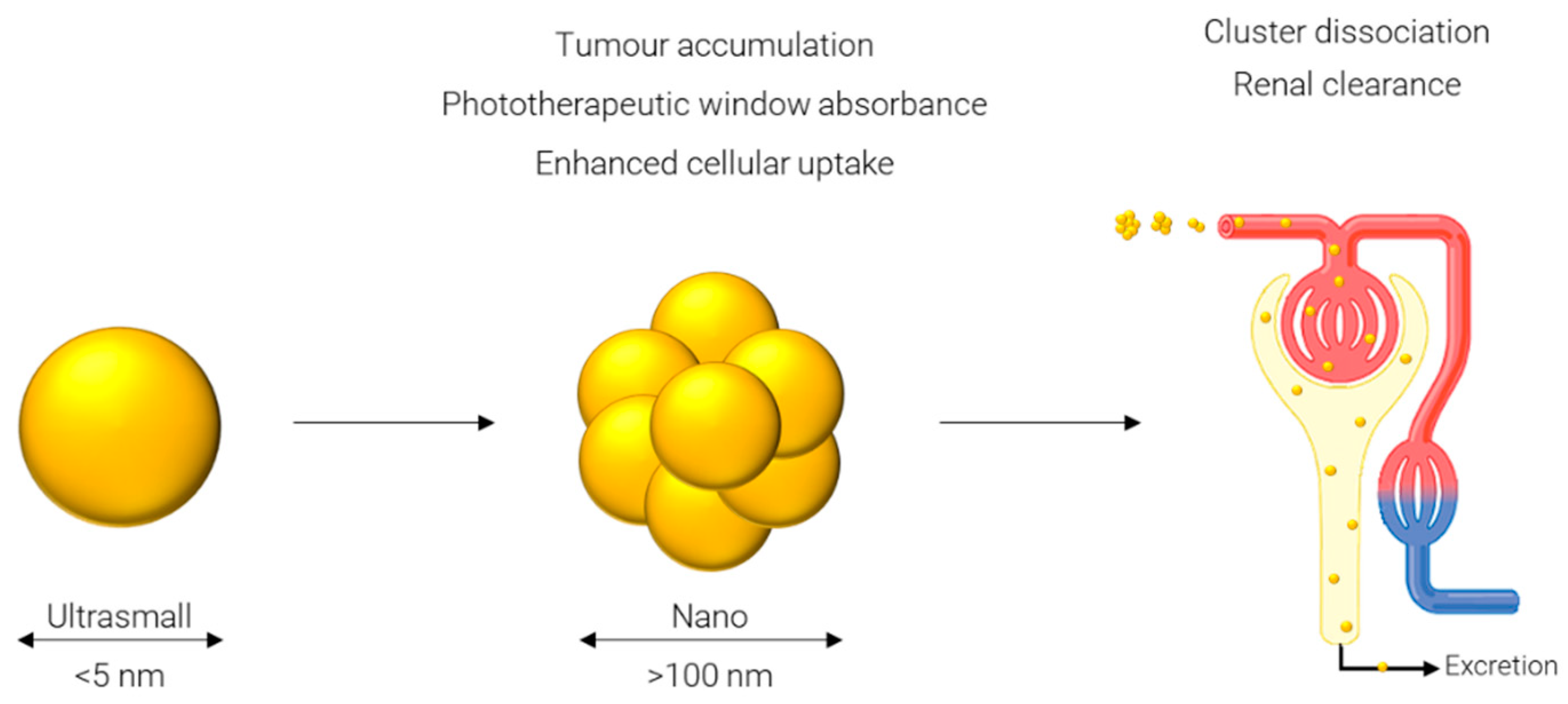
In fields like medicine and technology, the size of these tiny particles plays a crucial role in how effectively they perform. When you work with nanoparticles, smaller sizes can penetrate cells more easily, making drug delivery targeted and efficient.
You’ll find that in imaging, their size influences how well they enhance contrast, helping you see finer details. In technology, the particle size can change electrical, optical, and mechanical properties, letting you create more advanced sensors or stronger materials.
Choosing the right nanoparticle size gives you control over how they interact with their environment, boosting your innovations without limits. Understanding and harnessing this size-dependent behavior lets you unlock new possibilities, tailoring solutions that fit your vision and freedom to explore.
What Challenges and Solutions Exist in Controlling Nanoparticle Size?
Although controlling nanoparticle size is vital for their effectiveness, you’ll face several challenges in achieving precise and consistent dimensions. Variations in synthesis conditions, like temperature, concentration, and reaction time, can cause size fluctuations. Additionally, nanoparticles tend to aggregate, making size control harder.
However, you’re not without options. Techniques such as seed-mediated growth and microfluidics offer better control by allowing you to fine-tune reaction parameters. You can also use surfactants or stabilizers to prevent clumping and maintain uniform size. Embracing real-time monitoring tools helps you adjust processes on the fly, ensuring consistency. By understanding these challenges and applying smart solutions, you gain the freedom to tailor nanoparticles exactly to your needs, unlocking their full potential in your applications.
Conclusion
Now that you understand nanoparticle size, you see why it’s so important. It’s not just about being tiny—size changes how particles behave, react, and interact with the world around them. Whether you’re working in medicine, technology, or research, controlling and measuring size precisely helps you harness their unique properties safely and effectively. Keep in mind, mastering nanoparticle size opens doors to powerful innovations and solutions you can rely on every day.